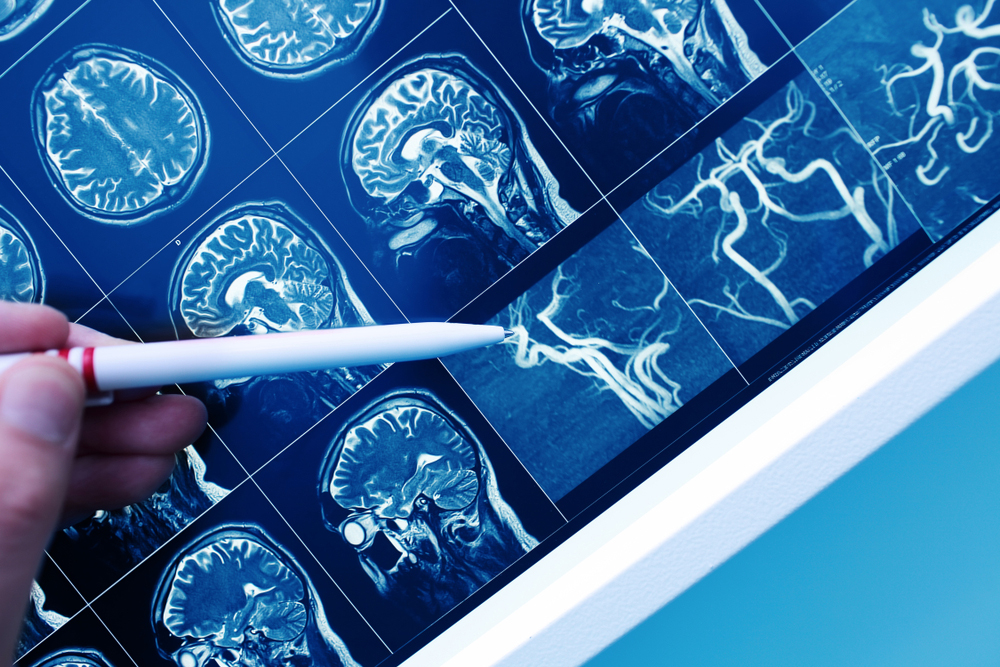
June is Alzheimer’s and Brain Awareness Month, which promotes understanding of Alzheimer’s disease, its effects on patients and their families, and the importance of early diagnosis. More than 55 million people worldwide live with Alzheimer’s or another form of dementia. While there is no cure for...


Frontotemporal dementia is a degenerative brain disease that progressively affects memory, personality, emotions, behavior, coordination, and the ability to speak and understand what others are saying. People with FTD may also develop a condition called anosognosia, which causes unconscious denial of their disability. Because this illness...

For some people with cognitive decline, late afternoon and early evening can be challenging. As day begins fading into night, people with dementia and Alzheimer’s may experience a phenomenon called sundowning, which includes a collection of symptoms like restlessness, agitation, irritability, or confusion. What Causes Sundowning? Though...

Heart disease is the leading cause of death in the U.S., and people aged 65 or older are more susceptible to heart attacks, strokes, and heart failure. Age-related changes can increase a person’s risk of developing heart disease, which can limit their daily activities and quality...

Amyotrophic lateral sclerosis, also called Lou Gehrig’s disease, is a neurodegenerative condition that gradually limits people’s ability to move, speak, eat, breathe, and take care of themselves. Approximately 5,000 people receive an ALS diagnosis every year. Though some medications have shown promise in slowing ALS...

As your loved one gets older, they may start showing signs of mild forgetfulness, such as trouble concentrating or taking longer than usual to recall simple information. Cue-dependent forgetting is one of several memory issues your loved one may face with age. How can you...

Vascular dementia is a degenerative illness resulting from reduced blood flow to the brain. It causes problems with reasoning, planning, judgment, memory, and other cognitive processes. Often, vascular dementia results from a stroke or other health conditions that reduce circulation and deprive the brain of...

Amyotrophic lateral sclerosis is a degenerative disease that primarily affects the nerve cells in the brain and spinal cord. While the initial symptoms are small and subtle, people with ALS will eventually need help with everyday activities like bathing, dressing, and eating.   Most people who develop...

Parkinson’s disease is a neurological disorder that causes tremors, stiffness, and challenges with coordination and movement. This condition starts slowly and gradually worsens over time. For example, the earliest symptoms can include slurred speech, limited facial expressions, and a barely noticeable tremor in only one...

While cognitive decline is typical among older adults, early-onset dementia cases have increased throughout the U.S. As early-onset dementia and Alzheimer’s disease continue to affect Americans under age 65, it’s essential to understand the impact of these conditions. What Causes Early-Onset Dementia? Early-onset dementia can be particularly...


Subscribe Now

Sign up for our latest news & updates

    Call Now
    Contact Us
    Skip to content